Hotshot crews train at Spooner Summit ahead of fire season

Petra Molina / Sierra Sun
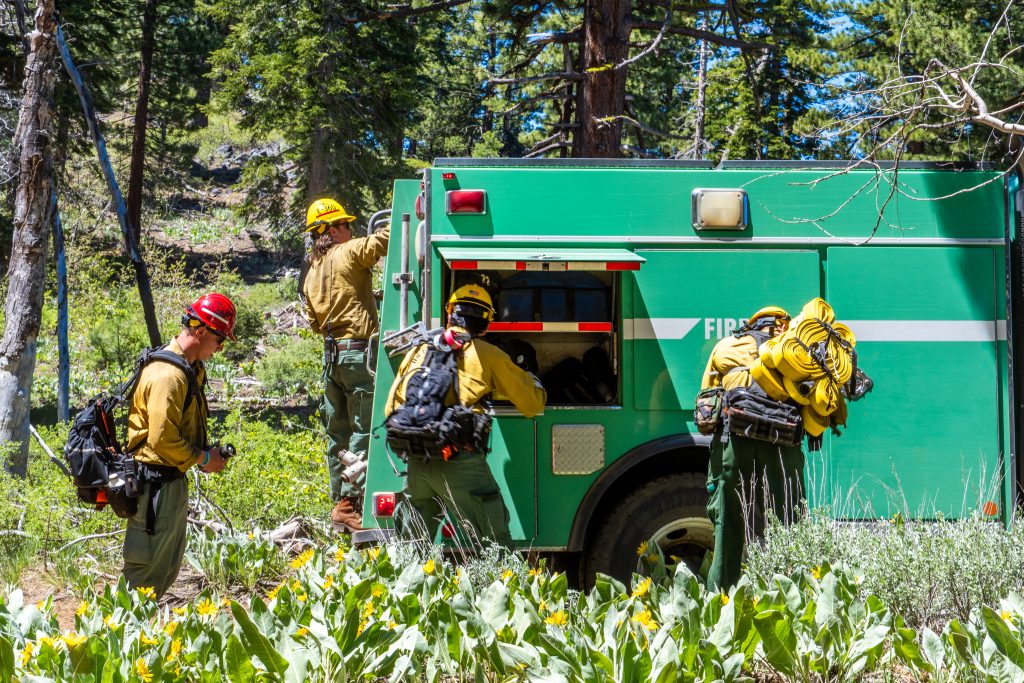
LAKE TAHOE, Calif. — The sharp thud of axes echoed through Spooner Summit as hotshot crews cut through brush and low-hanging branches, moving methodically across the forest floor. Nearby, firefighters stretched hoses across the hillside as part of a simulated wildfire response.
On June 4, The Lake Tahoe Basin Management Unit’s Tallac Hotshots, along with partner agencies including North Tahoe Fire Protection District, participated in wildfire scenario training exercise to prepare for the challenges of the coming fire season.
Though no flames burned, the exercise aimed to recreated many of the conditions crews face on the fireline, testing tactics, medical emergency response, communication and coordination ahead of the approaching fire season.
“Our ultimate goal in fire is always to have a safe season,” said Elsa Gaule, captain of the Tallac Hotshots. “We start the season with 21 people, and at the end of the season, we want to go home with 21 people.”
Following roughly 80 hours of training over one to two weeks, supervisors assess everything from response times and station procedures to fireground operations. The process helps ensure firefighters are fully prepared for the season ahead and gives leadership confidence that crews are ready to respond safely and effectively wherever they may be assigned.
Still, Gaule and LTBMU Deputy Fire Chief John Chester agreed that one of the most challenging aspects of the job is responding to human-caused fires. From unattended campfires to equipment use and simple carelessness, many wildfires start with preventable actions.
“The majority of the fires we see in the Lake Tahoe Basin Management Unit are human-caused,” Chester said.
While agencies work year-round on forest management and fuels reduction projects to lower wildfire risk, Chester noted that many of the region’s fires are sparked by preventable human activity.
“It’s really imperative that the public understands the high-risk environment they live in,” Chester said. “We are in weather conditions this year that are leaning toward active fire activity and potential. We need people to be very aware of the activities they’re doing on national forest lands, state lands and private lands to reduce those intentional or accidental human-caused ignitions.”
As the region enters fire season, officials say public awareness and responsible recreation remain critical tools in preventing wildfires before they start.
-
The Lake Tahoe Basin Management Unit’s Tallac Hotshots, along with partner agencies including North Tahoe Fire Protection District, participated in wildfire scenario training.
Petra Molina / Sierra Sun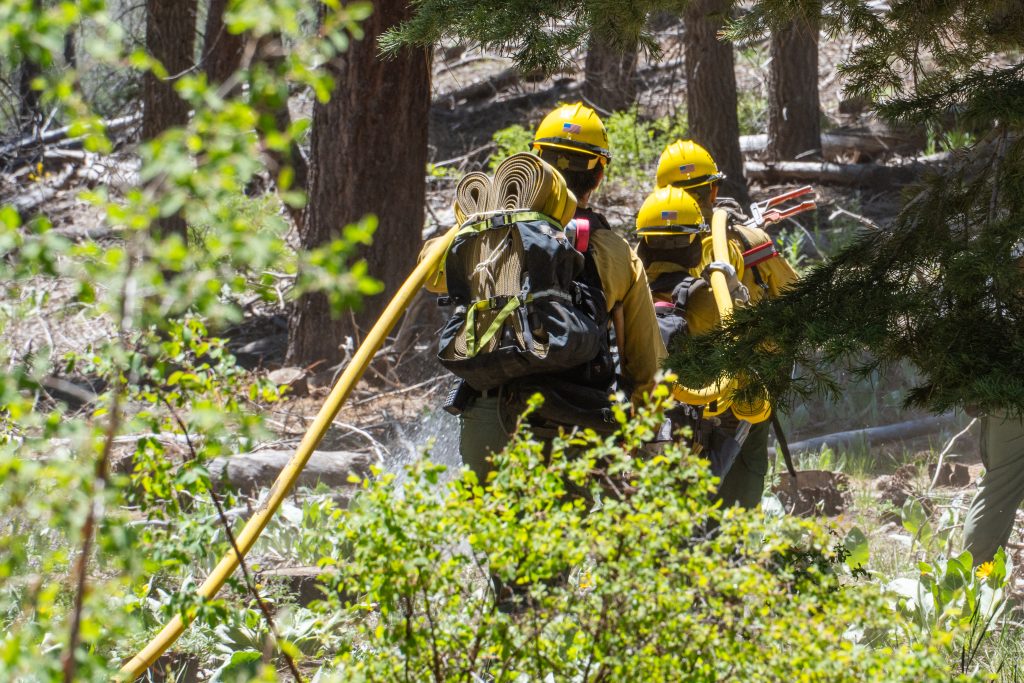
-
The Lake Tahoe Basin Management Unit’s Tallac Hotshots
Petra Molina / Sierra SUn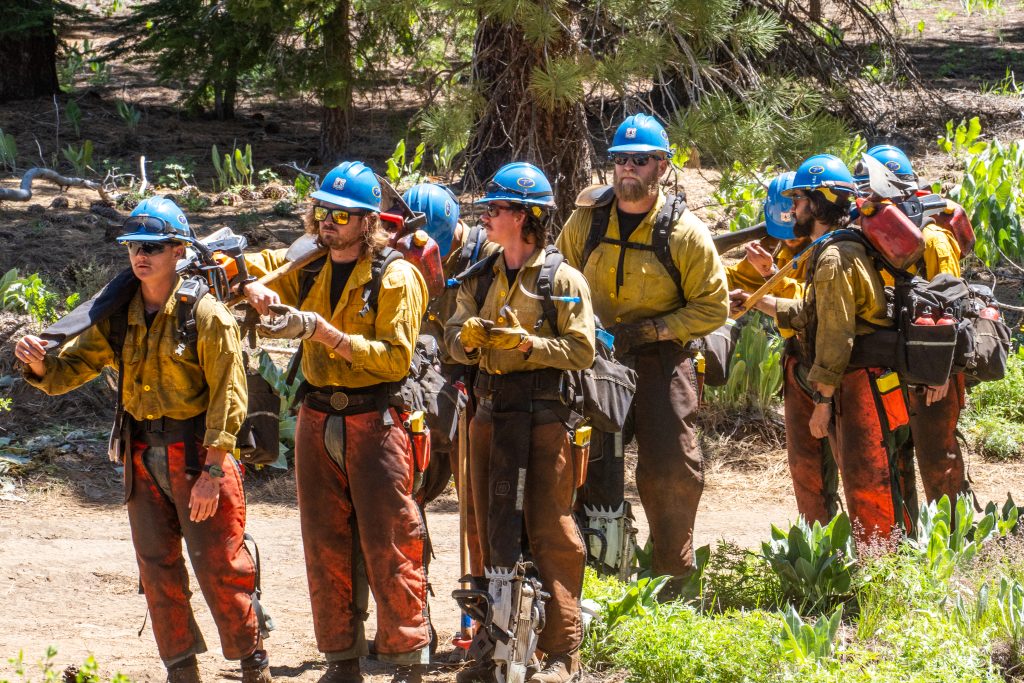
-
The Lake Tahoe Basin Management Unit’s Tallac Hotshots
Petra Molina / Sierra Sun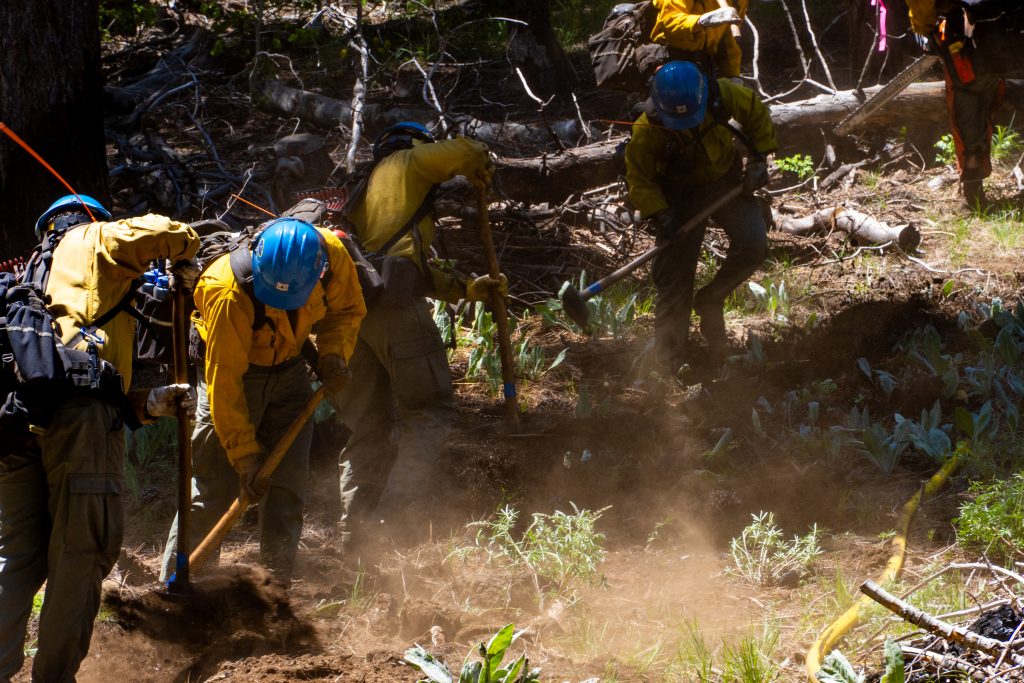
-
-
El Dorado National Forest Type 2 Helicopter practicing water drops.
Petra Molina / Sierra Sun
-
El Dorado National Forest Type 2 Helicopter practicing water bucket.
Petra Molina / Sierra Sun



Support Local Journalism

Support Local Journalism
Readers around Lake Tahoe, Truckee, and beyond make the Sierra Sun's work possible. Your financial contribution supports our efforts to deliver quality, locally relevant journalism.
Now more than ever, your support is critical to help us keep our community informed about the evolving coronavirus pandemic and the impact it is having locally. Every contribution, however large or small, will make a difference.
Your donation will help us continue to cover COVID-19 and our other vital local news.